Trading is Simple and Effective When You Follow a Clear System for Consistent Profits
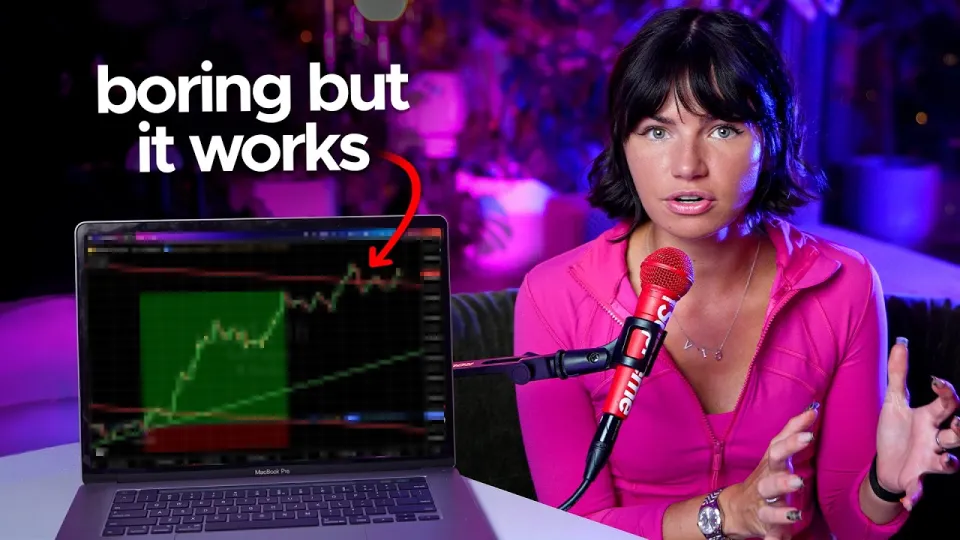
Video: Unfortunately, trading really is this simple
Need articles like this for your video? They help promote it on YouTube and Google — order them in the Telegram bot @sat_sit_bot. Articles with your video embedded are written and posted by the bot itself — on popular topical sites (no ads). Free trial — 50 articles.
Trading is Simple and Effective When You Follow a Clear System for Consistent Profits
Trading can appear daunting, but it really is simple if you use a clear and consistent system. You do not need a degree in economics, nor advanced mathematical skills. The essence is to understand market behavior through tools like trendlines and to follow rules for entry, exit, and risk management. If you want to test a proven approach, you can join the waitlist for a structured trading system here.
Understanding Trading Basics and Why Simplicity Works
Trading involves buying and selling assets like futures contracts to profit from price movements. Many beginners overcomplicate trading by chasing complex indicators or strategies. However, the core of successful trading is simplicity: identifying trends and acting accordingly. Trendlines drawn on price charts allow traders to see support and resistance levels where price tends to bounce or break out. This visual tool helps in deciding when to enter or exit trades.
Step-by-Step Trading System Using Trendlines
A trading system based on trendlines includes:
- Identify the Trend: Draw trendlines connecting recent lows in an uptrend or highs in a downtrend.
- Wait for Price to Approach the Trendline: Price usually respects these lines by bouncing off them.
- Enter the Trade Near the Trendline: Buy near an uptrend line or sell near a downtrend line.
- Set Stop-Loss Below or Above the Trendline: This limits losses if the trend breaks.
- Take Profit When Trend Shows Signs of Reversal: Watch for the 'bend' or break of the trendline.
This method works well in futures markets where volatility and liquidity offer profitable day trading and swing trading opportunities.
Managing Risk and Stop-Loss Placement
Proper risk management is critical. When entering trades using trendlines, placing stops just beyond the trendline gives the trade room to fluctuate naturally without prematurely closing the position. For example, if you enter a long trade near a rising trendline, place a stop-loss a few points below the line to avoid losses from minor price dips. This ensures your risk per trade is controlled and prevents large drawdowns.
Challenges in Live Trading and Volatility
Markets can be unpredictable, especially commodities like gold, which can move from slow to extremely fast in seconds. A trader must be ready to manage positions actively. Quick reactions to price changes, including fast exits, are necessary to protect profits. While the trendline system provides a framework, traders should remain vigilant and adjust their approach based on real-time market conditions.
Addressing Common Trading Questions and Misconceptions
Many traders wonder where exactly to place stops relative to trendlines or how to handle trendline breaks. Another frequent question involves differentiating futures trading from stock trading. Unlike stocks, futures contracts often have higher leverage and different market dynamics, making trendline strategies particularly effective. Also, algorithmic trading in stocks can sometimes work against retail traders, whereas futures markets offer more direct price action cues.
Useful Links to Enhance Your Trading Journey
- Join the waitlist for the trading system and receive bonuses: https://go.toritradez.com/waitlist-1009
- Track your trades effectively: https://www.tradezella.com/?via=victoria
- Use a recommended broker for futures trading: https://www.tradestation.com/promo/toritrades/
- Follow Tori Trades on Instagram for updates and tips: https://www.instagram.com/tori.trades.futures/
Conclusion
Trading can be straightforward if you follow a clear, step-by-step system like the one based on trendlines. This method does not require complicated math or degrees, just discipline and proper risk management. Futures markets provide ideal conditions for applying such strategies in day trading and swing trading. For a detailed system and guidance, consider joining the waitlist at Tori Trades, the channel providing this practical approach.
Key takeaways
- Trading does not require advanced math or an economics degree
- Trendlines are a key tool for identifying entry and exit points
- Managing risk with proper stop-loss placement is essential
- Using futures markets allows for day trading and swing trading strategies
- Tracking trades systematically improves performance and discipline
Source: Unfortunately, trading really is this simple · Markdown version
Questions & answers
Do I need advanced math or an economics degree to start trading effectively?
No, effective trading does not require advanced math or formal economics education. A clear system focusing on price action and trendlines is sufficient to start trading successfully.
Where should I place my stop-loss when trading with trendlines?
Stop-loss orders should be placed a few points beyond the trendline to allow for normal price fluctuations, minimizing the risk of premature exits while protecting against significant losses.
How does trading futures differ from stock trading?
Futures trading often involves higher leverage and different market dynamics compared to stocks. Trendline strategies are particularly effective in futures due to their liquidity and volatility, whereas stock markets may be more influenced by algorithms.
Can trading systems based on trendlines handle sudden market volatility?
While trendline systems provide a framework, traders must actively manage positions during sudden volatility, especially in commodities like gold, by adjusting stops and exiting trades quickly to protect profits.